You’ve probably seen someone wearing Invisalign clear aligners and didn’t even realize it. That near-invisibility is a big part of the appeal, but it’s far from the only reason clear aligners have become so popular with kids, teens and adults. So how do you know if Invisalign is actually the right fit for your smile?
This guide breaks down how the treatment works, what it costs, and who makes an ideal candidate. Let’s get into it so you can figure out your next move.
What Is Invisalign and How Does It Straighten Teeth?
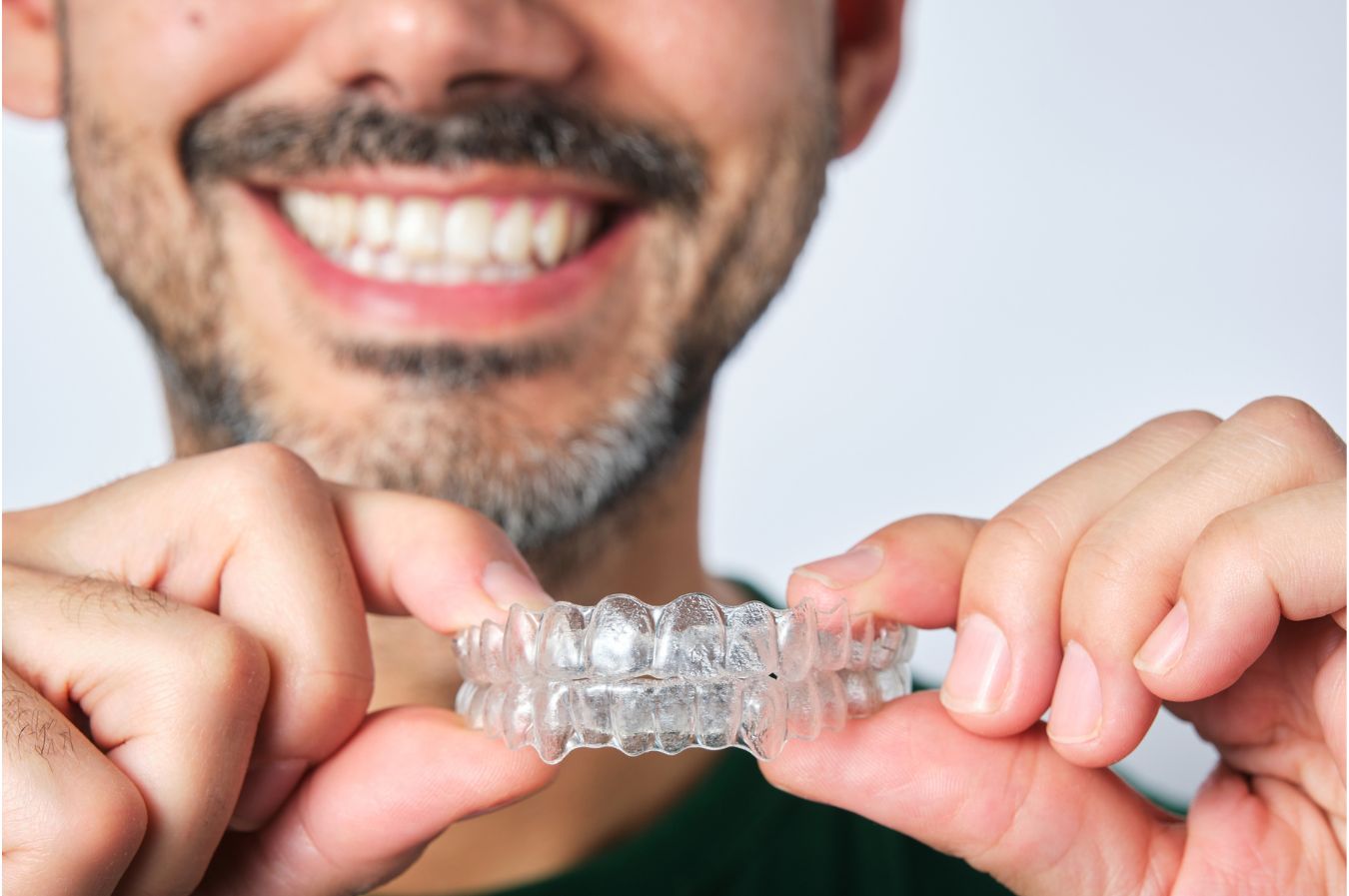
Invisalign is a clear aligner system that straightens teeth using a series of custom-made, nearly invisible plastic trays instead of traditional metal brackets and wires. These aligners fit snugly over your teeth and gently guide them into their ideal positions over time using Invisalign’s patented SmartTrack material, which is designed for comfort and precise tooth movement.
The material applies gentle, consistent pressure to move teeth exactly where they need to go. Here’s how it works: you wear each set of aligners for 20 to 22 hours per day, removing them only to eat, drink, brush, and floss. Switch to a new set every one to two weeks to keep things moving along. Your entire treatment is mapped out digitally using 3D imaging technology, so you and your orthodontist can see the planned movement of every tooth before treatment even begins.
Fewer surprises and more predictable results give many patients confidence as they start their treatment. A board-certified orthodontist uses this technology to create a precise treatment plan tailored to your specific needs.
How Invisalign Treatment Works: Step by Step
Knowing what’s ahead takes the stress out of it. Here’s what the Invisalign process looks like from start to finish:
- Free Smile Consultation and Digital 3D Smile Scan. Your board-certified orthodontist examines your teeth, takes digital scans, and discusses your smile goals. This appointment helps determine whether Invisalign is right for your specific needs.
- Custom ClinCheck treatment plan. Using advanced software, your doctor creates a detailed map of how each tooth will move throughout treatment. You can actually preview your projected final smile before committing.
- Receive your custom aligners. Once your plan is approved, your aligners are manufactured specifically for your teeth. You’ll receive several sets at a time and follow a schedule for switching to new trays.
- Regular progress check-ins. You’ll have periodic appointments to make sure everything is progressing as planned. Many practices offer remote monitoring options that reduce the number of in-office visits needed.
- Transition to retainers. After your final aligner, you’ll wear retainers to keep your teeth in their new positions. The Vivera Retainer Subscription is specifically designed to maintain your Invisalign results.
Most cases wrap up in 12 to 18 months, though your specific timeline depends on the complexity of your treatment.
Key Benefits of Choosing Invisalign Clear Aligners
Over 17 million patients worldwide have chosen Invisalign. Here are the benefits that matter most:
Why Do Patients Prefer the Look of Clear Aligners?
The clear plastic blends with your natural teeth, so most people won’t even notice you’re in treatment. For working professionals and teens who feel self-conscious about traditional orthodontic appliances, this discretion makes a real difference.
What’s It Like Being Able to Remove Your Aligners?
Taking your aligners out changes the day-to-day experience of orthodontic treatment. No food restrictions. No struggling to floss around wires. Pop out your aligners, enjoy your meal, brush your teeth, and put them back in. Oral hygiene becomes much easier to maintain compared to fixed appliances.
Beyond appearance and removability, patients consistently mention a few other advantages:
- Smooth and comfortable. Without metal brackets or wires, there’s nothing to poke or irritate your cheeks and gums.
- Fewer office visits are typically needed because your treatment is pre-planned, and you switch aligners at home on your own schedule. That flexibility is a big deal for people with packed calendars.
- Preview your smile. The digital treatment plan lets you see your new smile before you even start, helping you feel confident about your decision.
These benefits make Invisalign particularly attractive for busy adults and teens who want effective treatment that fits their lifestyle.
Invisalign vs. Traditional Braces: Which Option Fits Your Lifestyle?
Both Invisalign clear aligners and modern braces can give you a beautiful, healthy smile. The best choice depends on your specific needs, lifestyle, and treatment goals.
| Factor | Invisalign Clear Aligners | Modern Braces |
|---|---|---|
| Appearance | Nearly invisible clear plastic | Metal or ceramic brackets visible on teeth |
| Comfort | Smooth, removable trays | Fixed wires and brackets may cause irritation |
| Eating | Remove aligners to eat anything | Food restrictions (no popcorn, sticky candy, etc.) |
| Oral Hygiene | Remove to brush and floss normally | Requires special tools to clean around brackets |
| Treatment Complexity | Best for mild to moderate cases | Can address severe or complex cases |
| Discipline Required | Must wear 20-22 hours daily | Always working since they’re fixed in place |
| Office Visits | Fewer check-ins needed | Regular adjustments required |
Both options achieve excellent results when prescribed and monitored by an orthodontist. Modern braces are smaller and more comfortable than ever, while Invisalign technology continues to expand what clear aligners can treat.
Working with a board-certified orthodontist who can evaluate your specific situation is the best way to determine which approach will give you the strongest outcome. Sometimes that’s Invisalign, sometimes it’s modern braces, and occasionally it’s a combination of both. A free consultation is the best starting point for exploring which option fits your goals.
What Does Invisalign Cost? Factors That Affect Your Price
Invisalign treatment typically costs about the same as modern braces, with most cases falling in a range comparable to traditional orthodontic treatment. Final price depends on case complexity, treatment duration, location, and provider experience. Here’s what influences your total cost:
- Treatment complexity. More involved cases requiring longer treatment naturally cost more than simpler corrections.
- Number of aligners. Shorter treatments need fewer trays, which tends to bring the price down.
- Geographic location. Orthodontic fees vary by region and practice.
- Provider experience. Orthodontists with extensive Invisalign experience may have different fee structures than general dentists offering the treatment. Working with a specialist matters here.
Most dental insurance plans that cover orthodontic treatment provide the same coverage for Invisalign as they do for modern braces. Many practices also offer flexible payment plans and accept HSA, FSA, and dental financing options to make treatment more accessible.
The only way to know your actual cost is through a free consultation where your orthodontist can evaluate your needs and provide a specific estimate.
Who Is a Good Candidate for Invisalign?
Good candidates for Invisalign include teens and adults with mild to moderate orthodontic issues who can commit to wearing aligners 20 to 22 hours daily. A board-certified orthodontist can confirm whether your specific case is a good fit. Invisalign can treat many orthodontic concerns, including:
- Crowded teeth
- Gaps and spacing issues
- Overbite
- Underbite
- Crossbite
- Open bite
Consistency is crucial with this treatment. If aligners spend too much time out of your mouth, treatment takes longer and results may be compromised. Teens and adults who are disciplined about daily wear tend to see the best outcomes.
For younger patients, Invisalign First is designed specifically for kids with a mix of baby teeth and permanent teeth, allowing them to begin addressing orthodontic issues earlier.
Invisalign isn’t ideal for every situation, though. Severe skeletal discrepancies or highly complex tooth movements may still require modern braces or a combined approach. An evaluation with a board-certified orthodontist is the only way to confirm whether you’re a good candidate.
Frequently Asked Questions About Invisalign
How long does Invisalign treatment take?
Most Invisalign treatments take 12 to 18 months, though minor corrections might finish in as few as six months and complex cases could take two years or longer. Your orthodontist will give you a realistic timeline during your free consultation.
Does Invisalign hurt?
You’ll likely feel some pressure and mild discomfort when you switch to a new set of aligners. This is normal and means the aligners are working. It passes quickly. Most patients find this pressure much more manageable than the tightening associated with modern braces.
Can I eat with Invisalign in?
No. Always remove your aligners before eating or drinking anything other than water. This protects the aligners from damage and staining. Just remember to brush before putting them back in.
Is Invisalign as effective as modern braces?
For most mild to moderate orthodontic cases, yes. Clear aligners can treat many of the same conditions as modern braces, and the technology keeps expanding. Some complex cases still benefit from the precise control that brackets and wires provide, so talk with your orthodontist about which option fits your situation best.
What happens after Invisalign treatment?
Retainers are essential. Without them, teeth naturally want to shift back toward their original positions. The Vivera Retainer Subscription is a popular choice for keeping your new smile in place long-term.
How do I get started with Invisalign?
Start by scheduling an evaluation with a board-certified orthodontist. During that visit, you’ll get a full assessment of your teeth, discuss your goals, and receive a clear explanation of all your treatment options. From there, you can make the decision that feels right for you.
What Makes Invisalign Different from Other Clear Aligner Brands?
Not all clear aligners are created equal. Invisalign has been around since the late 1990s, and the technology behind it has gone through significant refinement over that time. While newer direct-to-consumer aligner brands have entered the market, there are some important differences worth understanding before you choose a treatment.
Invisalign’s SmartTrack material was developed specifically for orthodontic tooth movement. It delivers more predictable force than generic aligner plastics, which means your teeth move more efficiently and with greater precision. The ClinCheck software that orthodontists use to plan your treatment is proprietary to Invisalign, and it allows for a level of customization that most competitors don’t offer.
Another key difference is supervision. When you get Invisalign through a board-certified orthodontist, every stage of your treatment is monitored by a specialist who spent years training beyond dental school specifically in tooth movement and bite correction. Direct-to-consumer brands often rely on remote oversight with limited in-person check-ins, which can be risky for anything beyond very minor corrections.
SmartForce attachments are another feature unique to Invisalign. These are small, tooth-colored bumps bonded to certain teeth that give the aligners extra grip for more complex movements like rotations or vertical shifts. Without them, clear aligners are limited in what they can accomplish.
Price is often comparable between Invisalign and other professional-grade aligner systems, so the decision usually comes down to technology, provider expertise, and the level of customization available. For patients who want the most established and well-researched clear aligner option on the market, Invisalign remains the standard.
If you’re weighing your options, a free consultation with an orthodontist is the fastest way to get personalized guidance. They can walk you through exactly what Invisalign would look like for your specific case, including projected timelines, expected results, and a realistic cost estimate. That kind of clarity makes the decision a lot easier.