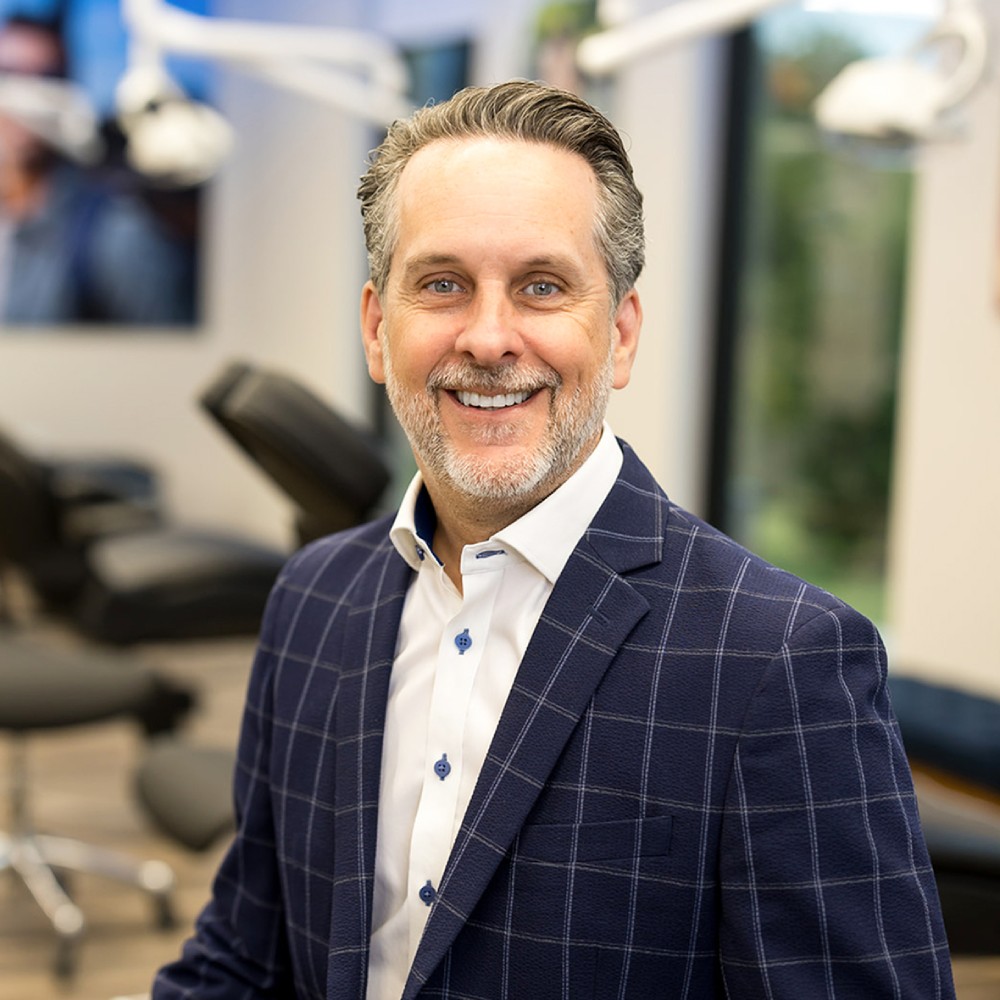

Finding the right orthodontist is one of the most important decisions you’ll make for your smile. The right provider does more than straighten teeth. They create a treatment plan built around your teeth and goals, using their specialized training to address everything from simple crowding to complex bite issues. If you’re looking into treatment for yourself or one of your kids, understanding what sets orthodontists apart helps you make a confident choice.
What Does Finding the Right Orthodontist Actually Mean?
Finding the right orthodontist means choosing a board-certified specialist whose credentials, treatment options, and communication style match your specific needs. It means identifying someone who listens to your concerns, explains your options clearly, and has the training to handle whatever your teeth and jaw require.
After completing dental school, orthodontists complete an additional two to three years of specialized residency training focused exclusively on tooth movement, jaw alignment, and facial development. During residency, they study biomechanics, growth and development patterns, and advanced diagnostics that general dentists simply don’t cover.
This extra education makes a real difference in how they diagnose problems and plan treatment. Your choice affects more than just the final result. It influences your comfort throughout treatment, how smoothly appointments go, and whether potential issues get caught early. Not every practice offers the same treatments or uses the same technology. Some specialize in certain approaches, while others provide a full spectrum of options, from modern braces to Invisalign clear aligners to palatal expanders. At Orthodontic Associates, our board-certified orthodontists bring this patient-centered approach to every case they treat.
How to Find and Evaluate the Right Orthodontist
Finding your orthodontist doesn’t have to feel overwhelming, and breaking it down into clear steps makes the decision easier.
Start with credentials
Look for board certification through the American Board of Orthodontics. This voluntary certification demonstrates that an orthodontist has passed rigorous examinations beyond the basic requirements. Membership in the American Association of Orthodontists (AAO) is another positive sign, since only orthodontists can be AAO members.
Then, schedule consultations at more than one practice. Many offices offer a free consultation, which gives you the chance to compare approaches without financial pressure. Pay attention to how thoroughly each provider examines your teeth and jaw, and whether they take time to explain what they observe.
Ask about treatments and experience
A practice that provides multiple options, like traditional modern braces, Invisalign, expanders, and other appliances, can recommend what actually works best for your situation rather than fitting you into whatever they happen to offer. If you have a complex bite issue or want clear aligners for a challenging case, ask how many similar cases the orthodontist has treated.
Pay attention to office culture, technology, and communication style, too. Does the team make you feel welcome? Is the practice equipped with current technology like digital scanning? Do they explain things in ways you understand? These factors affect your entire treatment experience. The board-certified orthodontists at Orthodontic Associates use Digital 3D Smile Scans and offer free consultations so families can experience this firsthand.
Why Choosing the Right Orthodontist Matters More Than You Think
How Does Specialized Training Improve Outcomes?
Specialized training translates directly into better outcomes. Board-certified orthodontists spend years learning to diagnose not just alignment issues, but the underlying causes, like jaw discrepancies, airway issues, and bite problems that a less trained eye might miss.
That matters. A skilled orthodontist catches TMJ concerns before they escalate into something bigger. Early intervention gets recommended when it can prevent more extensive treatment later. And because they understand how tooth movement affects your entire facial structure, the results tend to look and feel more natural. According to the American Board of Orthodontics, roughly half of practicing orthodontists have pursued voluntary board certification, which signals a deeper commitment to clinical excellence.
Access to modern treatment options matters too. From modern braces to Invisalign clear aligners to specialized appliances, having choices means getting the approach that fits your lifestyle and goals. The right orthodontist won’t push one option on everyone.
Why Does Communication and Retention Planning Matter?
Better communication throughout treatment leads to fewer surprises. When your orthodontist explains what’s happening and why, you feel more confident and engaged in your care. You know what to expect at each appointment and understand how to care for your teeth during treatment. That kind of clarity makes the whole process easier to stick with.
Long-term retention planning protects your investment, too. A good orthodontist thinks beyond the day your modern braces come off. They create a retention plan, often including options like Vivera retainers, that keeps your results stable for years to come. At Orthodontic Associates, our board-certified orthodontists build a personalized retention plan into every case from the start. Without a solid retention strategy, teeth can shift back toward their original positions. That’s why choosing your orthodontist carefully from the beginning saves you time, money, and frustration down the road.
Orthodontist vs. Dentist vs. DIY Aligners: Understanding Your Options
Understanding the differences between providers helps you get a clearer picture of what each option actually delivers when you’re picking the right provider.
| Factor | Orthodontist | General Dentist | DIY/Mail-Order Aligners |
|---|---|---|---|
| Training | Dental school + 2-3 year orthodontic residency | Dental school only | No provider involvement |
| Treatment Scope | Full range: modern braces, aligners, expanders, jaw correction | Aligners only in most cases | Basic alignment only |
| Supervision | In-person monitoring throughout treatment | Varies by practice | Remote or none |
| Complex Cases | Trained to handle bite issues, jaw problems, difficult movements | Limited capability | Cannot address |
| Diagnosis | Full exam including bite analysis | Basic evaluation | Photos and impressions only |
Orthodontists complete specialized residency training that general dentists do not receive. While many general dentists now offer aligners, they lack the advanced training needed for complex cases involving bite correction or jaw alignment.
DIY and mail-order aligner companies skip in-person examinations entirely. Without x-rays and a thorough clinical exam, these services cannot identify bite problems, jaw issues, or conditions that make certain movements risky. According to the American Association of Orthodontists, in-person evaluation by a trained specialist remains essential for safe, effective treatment.
The board-certified orthodontists at Orthodontic Associates evaluate every patient in person to recommend the right treatment, not just a single product. That distinction matters more than most people realize.
What Affects the Cost of Orthodontic Treatment?
Orthodontic treatment costs depend on several connected factors: the type of appliance used, how complex the case is, how long treatment takes, what your insurance covers, and what payment plans are available. Here’s a closer look at how each one plays a role.
Treatment type makes a real difference
Modern braces, Invisalign clear aligners, and specialized appliances like expanders each come with different price points. The right choice depends on your clinical needs, not just the bottom line.
Case complexity and treatment duration go hand in hand. A straightforward alignment case costs less than one involving bite correction or jaw repositioning, and more complex movements require more appointments and longer treatment times.
Insurance coverage varies widely
Many dental insurance plans include orthodontic benefits, but coverage amounts and lifetime maximums differ. Ask your potential orthodontist’s office to verify your specific benefits before starting. It’s also worth checking whether your plan has preferred providers in the area.
Payment plans and financing options make treatment more accessible. Look for practices that offer flexible payment arrangements, including HSA and FSA funds, dental loans, or in-house financing. These options can spread costs over the full treatment period so the monthly amount feels manageable. Keep in mind that the least expensive option isn’t always the best value. Factor in the orthodontist’s expertise, the technology they use, and the long-term stability of results.
Who Should Be Looking for an Orthodontist? (Hint: It’s Not Just Teens)
Patients of all ages benefit from specialized orthodontic care, and the best time to start depends on your situation. Orthodontic treatment isn’t reserved for teenagers with modern braces.
- Kids as young as seven should have an orthodontic evaluation. The American Association of Orthodontists recommends this early check-up because some problems are easier to correct while the jaw is still growing. Early evaluation doesn’t always mean early treatment. Often it means monitoring until the right time. But catching issues like crossbites or severe crowding early can simplify treatment later on.
- Teens remain excellent candidates, and they’re often the most enthusiastic about choosing between options. Invisalign for Teens and modern braces both fit different lifestyles and preferences. Many teens appreciate having a say in how their treatment looks, which keeps them more engaged throughout the process.
- Adults are the fastest-growing group of orthodontic patients, with roughly one in three orthodontic patients now over the age of 18 according to the AAO. If you never had modern braces as a kid, or your teeth have shifted over time, adult treatment is common and effective. Invisalign has made treatment more discreet than ever, which appeals to working professionals.
Anyone with bite issues, crowding, spacing, or jaw discomfort should consider an initial consultation. These concerns don’t improve on their own and often worsen over time. Many orthodontic offices offer free consultations that include x-rays, giving you real information without financial pressure.
Frequently Asked Questions About Finding the Right Orthodontist
What questions should I ask at an orthodontic consultation?
Key questions include: training and board certification status, experience with cases like yours, recommended treatment options, timeline, cost breakdown, and how complications are handled. Good orthodontists welcome these questions and answer them without rushing you. At Orthodontic Associates, our board-certified orthodontists walk through each of these topics during every free consultation.
How do I know if an orthodontist is board certified?
You can verify board certification through the American Board of Orthodontics website. Board-certified orthodontists have passed written and clinical examinations that go beyond basic licensing requirements. This voluntary step reflects a commitment to ongoing education and clinical accountability.
Is it worth getting a second opinion from another orthodontist?
Yes. Different orthodontists may recommend different approaches, and comparing opinions helps you understand your options fully. A second consultation is especially valuable for complex cases or if you feel uncertain about a recommended treatment plan. Most practices that offer free consultations make this easy to do.
What’s the difference between an orthodontist and a dentist who does Invisalign?
Orthodontists complete two to three additional years of specialized residency training after dental school, focusing exclusively on tooth movement and jaw alignment. General dentists who offer Invisalign have not completed this training. For straightforward cases, results may be similar, but for anything involving bite correction or complex movements, an orthodontist’s expertise matters significantly.
How long does orthodontic treatment take?
Most orthodontic patients finish treatment in 12 to 24 months, though duration depends on case complexity and treatment type. Some simpler cases wrap up even sooner. Your orthodontist will provide a personalized estimate during your initial consultation.
Getting the right orthodontist matters for your results, your comfort, and your confidence throughout treatment. When you choose a board-certified specialist who takes time to understand your goals, uses current technology, and communicates clearly, you’re investing in results that last. If you’re ready to take the next step, a free consultation is the best way to get personalized answers and find out what treatment would look like for you.